
Why Is an Electrical Insulator Essential for Safe and Reliable Power Transmission
Electrical systems power nearly every aspect of modern life, from residential buildings and industrial facilities to renewable energy infrastructure and transportation networks. However, without a reliable Electrical Insulator, these systems would be vulnerable to electrical leakage, short circuits, equipment failures, and safety hazards.
In this comprehensive guide, we explore how an Electrical Insulator works, why it is critical for electrical networks, the different types available, selection criteria, applications, and emerging industry trends. Whether you are an engineer, contractor, utility operator, or procurement specialist, understanding electrical insulation technology can help improve system performance, safety, and long-term reliability.
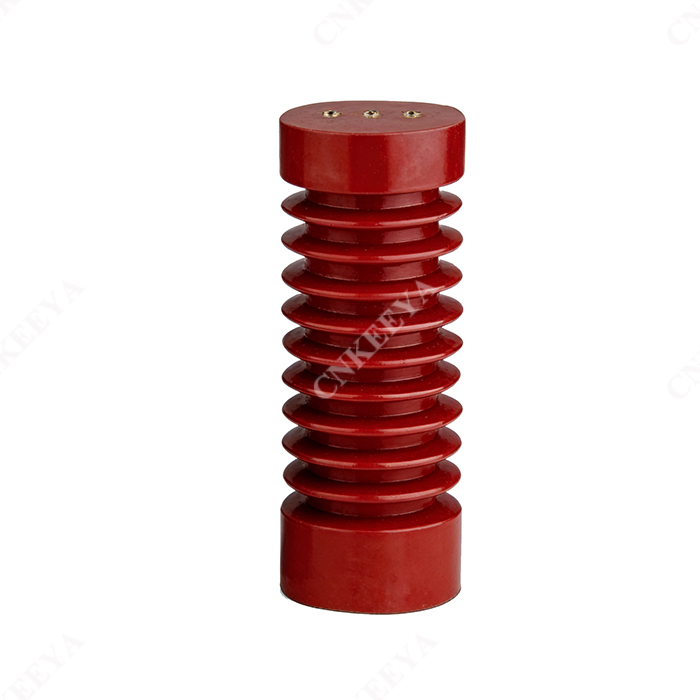
Table of Contents
- What Is an Electrical Insulator?
- Why Is an Electrical Insulator So Important?
- How Does an Electrical Insulator Work?
- What Are the Main Types of Electrical Insulators?
- Which Materials Are Used in Electrical Insulators?
- Where Are Electrical Insulators Used?
- How to Choose the Right Electrical Insulator?
- What Advantages Do Modern Electrical Insulators Offer?
- How Should Electrical Insulators Be Maintained?
- Why Choose CNKEEYA Electrical Insulators?
- What Are the Future Trends in Insulation Technology?
- Frequently Asked Questions
What Is an Electrical Insulator?
An Electrical Insulator is a material or device specifically designed to resist the flow of electric current. It separates conductive components while supporting electrical conductors mechanically.
The primary purpose of an Electrical Insulator is to:
- Prevent current leakage
- Avoid electrical short circuits
- Protect personnel and equipment
- Maintain transmission efficiency
- Ensure system reliability
Electrical insulators are commonly found on transmission towers, substations, switchgear, transformers, railway systems, and renewable energy installations.
Why Is an Electrical Insulator So Important?
Without proper insulation, electrical energy would escape from conductors into surrounding structures or the environment. This can lead to severe operational and safety issues.
Key reasons why every Electrical Insulator is important include:
- Reducing power losses
- Protecting expensive electrical equipment
- Preventing electric shock incidents
- Maintaining system stability
- Extending infrastructure lifespan
- Supporting high-voltage transmission networks
As electrical grids continue expanding worldwide, the demand for high-performance Electrical Insulator solutions continues to grow.
How Does an Electrical Insulator Work?
The working principle of an Electrical Insulator is based on its extremely high electrical resistance. Unlike conductive materials such as copper or aluminum, insulating materials contain very few free electrons.
When voltage is applied:
- Conductors allow electrons to flow freely.
- Insulators block electron movement.
- Current remains confined to intended pathways.
- Leakage currents are minimized.
Additionally, many insulators feature specially designed surfaces that increase creepage distance, helping resist contamination, moisture, and flashover events.
What Are the Main Types of Electrical Insulators?
Different applications require different Electrical Insulator designs. The most commonly used categories include:
Pin Insulators
Widely used for medium-voltage overhead lines and mounted directly on poles.
Suspension Insulators
Common in high-voltage transmission systems where multiple units are connected in series.
Strain Insulators
Designed to withstand high mechanical tension at line terminations and sharp turns.
Shackle Insulators
Frequently used in low-voltage distribution networks.
Post Insulators
Installed in substations and switchgear equipment to support conductors.
Composite Insulators
Modern solutions combining fiberglass cores and polymer housings for enhanced performance.
Which Materials Are Used in Electrical Insulators?
Material selection directly impacts the performance and durability of an Electrical Insulator.
| Material | Advantages | Typical Applications |
|---|---|---|
| Porcelain | Excellent mechanical strength and weather resistance | Transmission lines, substations |
| Glass | Easy inspection and high dielectric strength | High-voltage transmission systems |
| Silicone Rubber | Hydrophobic surface and lightweight design | Composite insulators |
| Polymer Composites | Corrosion resistance and low maintenance | Modern power grids |
| Epoxy Resin | Excellent insulation properties | Indoor switchgear and transformers |
Today, many utility companies prefer composite Electrical Insulator solutions because of their lightweight construction and superior contamination resistance.
Where Are Electrical Insulators Used?
The applications of an Electrical Insulator extend across virtually every electrical infrastructure sector.
- Power generation plants
- Transmission lines
- Distribution networks
- Substations
- Wind farms
- Solar power stations
- Railway electrification systems
- Industrial facilities
- Commercial buildings
- Telecommunication infrastructure
As renewable energy projects continue expanding globally, Electrical Insulator demand is increasing significantly.
How to Choose the Right Electrical Insulator?
Choosing the proper Electrical Insulator requires evaluating multiple factors.
Voltage Rating
Ensure the insulator can safely withstand operating and surge voltages.
Mechanical Strength
Consider conductor loads, wind forces, and environmental stresses.
Pollution Level
Industrial, coastal, and desert environments require enhanced contamination resistance.
Environmental Conditions
Temperature extremes, humidity, UV exposure, and icing conditions affect performance.
Service Life Expectations
Long-term reliability reduces maintenance costs and system downtime.
What Advantages Do Modern Electrical Insulators Offer?
Modern Electrical Insulator technology provides numerous benefits:
- Higher dielectric performance
- Improved contamination resistance
- Enhanced weather durability
- Reduced maintenance requirements
- Long operational lifespan
- Lightweight installation
- Lower lifecycle costs
- Greater system reliability
These advantages make modern insulation solutions a critical investment for power utilities and industrial operators.
How Should Electrical Insulators Be Maintained?
Regular maintenance ensures maximum Electrical Insulator performance and longevity.
Recommended maintenance activities include:
- Visual inspections
- Contamination cleaning
- Thermal imaging inspections
- Mechanical integrity checks
- Leakage current monitoring
- Replacement of damaged units
Preventive maintenance significantly reduces unexpected outages and operational risks.
Why Choose CNKEEYA Electrical Insulators?
CNKEEYA Electrical Insulator Solutions are engineered to meet demanding utility and industrial requirements worldwide.
CNKEEYA focuses on delivering high-quality Electrical Insulator products that combine:
- Advanced manufacturing technology
- Strict quality control systems
- Reliable electrical performance
- Strong mechanical strength
- Long-term weather resistance
- Compliance with international standards
With extensive experience in power transmission and distribution applications, CNKEEYA continues supporting customers with dependable insulation products for modern energy infrastructure.
What Are the Future Trends in Insulation Technology?
The future of Electrical Insulator development is driven by evolving grid requirements and renewable energy expansion.
Emerging trends include:
- Smart monitoring technologies
- Self-cleaning hydrophobic surfaces
- Advanced composite materials
- Digital asset management integration
- Improved contamination resistance
- Longer service life designs
These innovations will help improve grid reliability while reducing operational and maintenance costs.
Frequently Asked Questions
What is the primary function of an Electrical Insulator?
The primary function of an Electrical Insulator is to prevent unwanted current flow and safely separate conductive components.
Which material is best for an Electrical Insulator?
The best material depends on the application. Porcelain, glass, silicone rubber, and polymer composites are all widely used.
How long does an Electrical Insulator last?
A high-quality Electrical Insulator can last several decades when properly selected and maintained.
Why are composite insulators becoming more popular?
Composite insulators offer lightweight construction, superior contamination resistance, and lower maintenance requirements.
Can Electrical Insulators be used in renewable energy projects?
Yes. Electrical Insulator products are extensively used in solar farms, wind power facilities, and energy storage systems.
Conclusion
A high-quality Electrical Insulator is fundamental to the safety, efficiency, and reliability of modern electrical infrastructure. From power transmission networks to renewable energy projects, the right insulation solution helps reduce energy losses, prevent failures, and ensure long-term operational performance.
If you are looking for dependable and professionally engineered Electrical Insulator solutions, CNKEEYA offers a wide range of products designed to meet demanding industry requirements. Whether you need support for transmission lines, substations, industrial facilities, or renewable energy applications, contact us today to discuss your project requirements and discover how our expertise can help improve the reliability and efficiency of your electrical systems.
Related News
- Can a GGD Low Voltage Power Distribution Cabinet Deliver Safer, More Reliable Power Distribution
- How Can Post Insulator ZJ-10Q85x140(145/150) Improve the Safety and Reliability of Medium Voltage Power Systems
- Why Is the HYB1-125 C100 MCB Miniature Circuit Breaker the Smart Choice for Reliable Electrical Protection
- How Can the LW36-126 Outdoor High-Voltage AC Sulfur Hexafluoride (SF₆) Circuit Breaker Improve the Reliability of Modern Power Systems
- Why Is a 24kV Solid Insulated Ring Main Unit Becoming the Preferred Choice for Modern Power Distribution
- Why Is XRNP-11 the Preferred High-Voltage Current-Limiting Fuse for Transformer Protection
Leave me a message