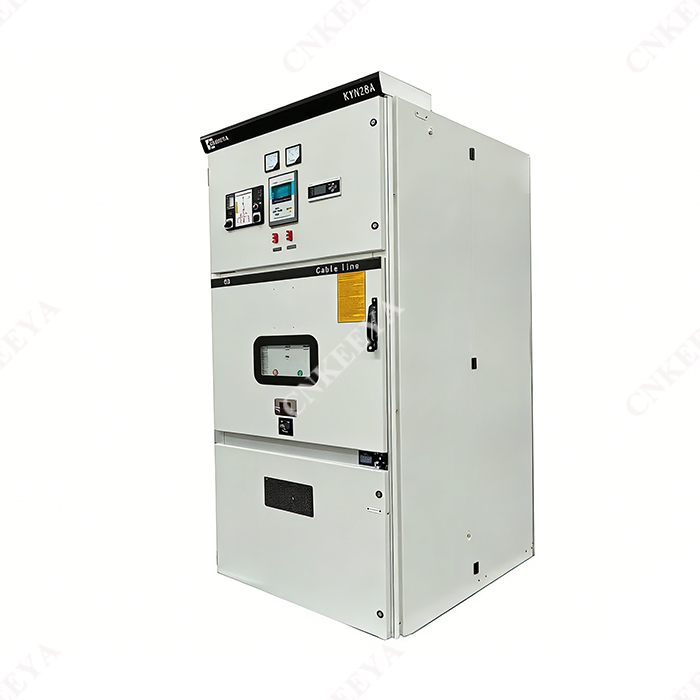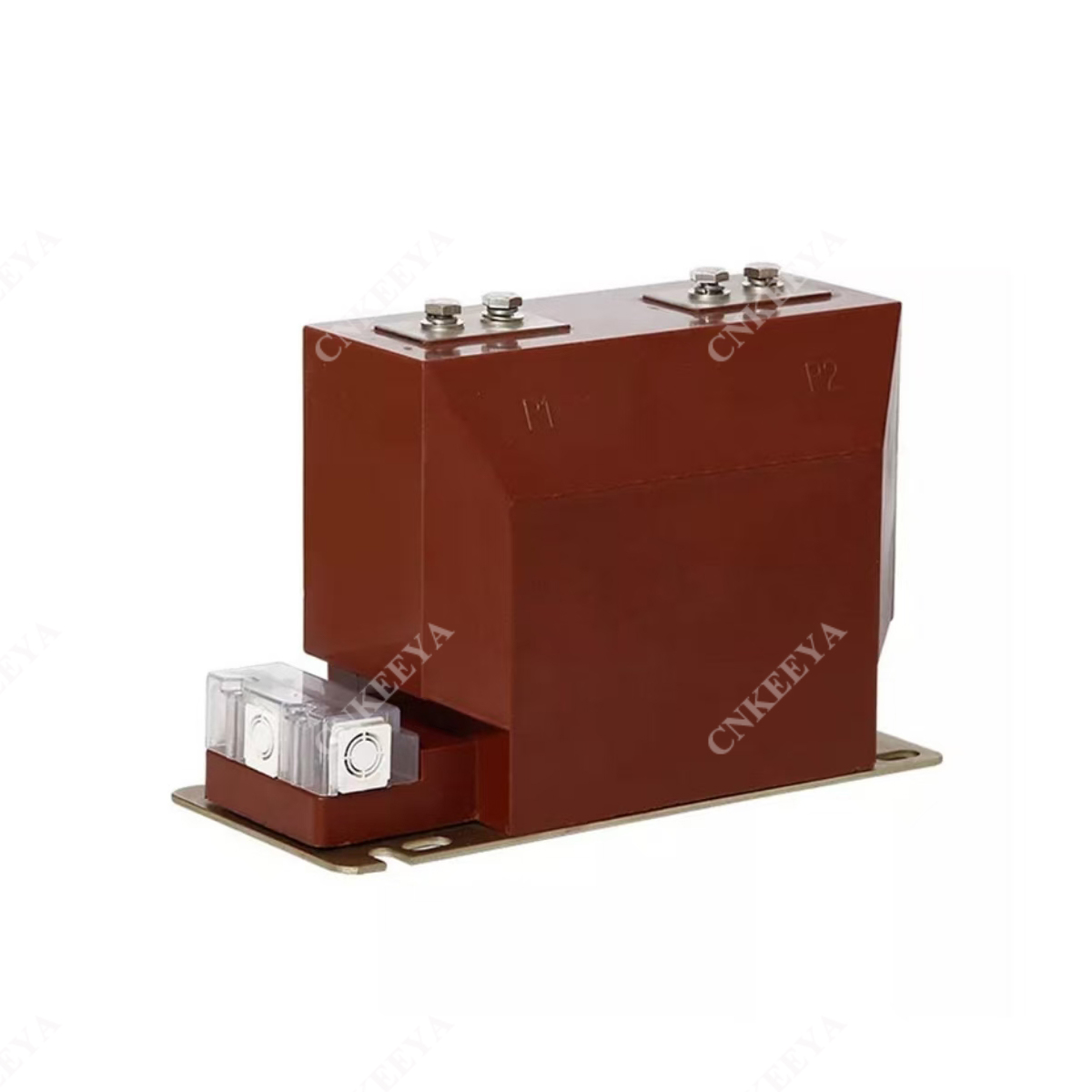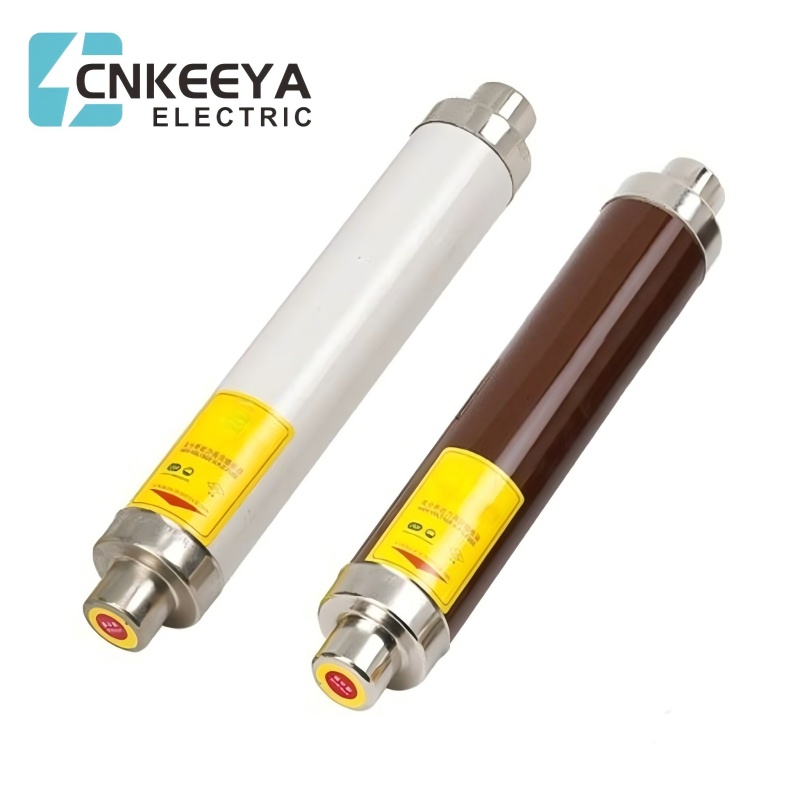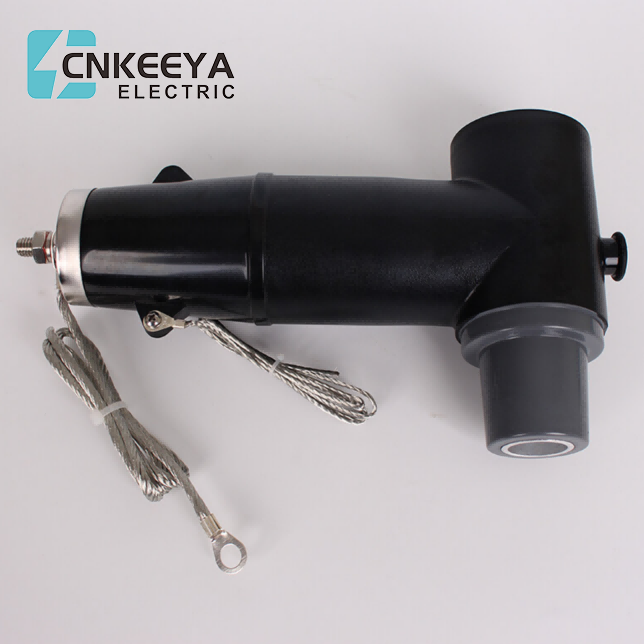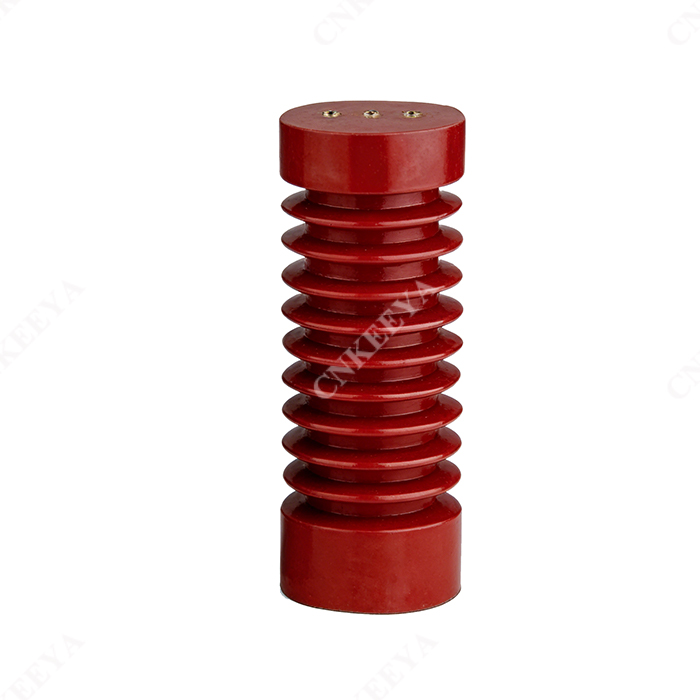

In power distribution, many failures begin with parts that buyers were told were “standard” and therefore safe to overlook. That is exactly why the conversation around the Electrical Insulator matters more than many purchasing teams expect. Whether the application is switchgear, transformer accessories, wall bushings, or indoor distribution equipment, the right insulating component quietly protects the system every second it is in service.
Buyers do not usually complain about an insulator when everything works. They complain when a project starts showing heat buildup, surface tracking, flashover risk, moisture-related issues, installation mismatch, or early replacement costs. At that point, the small component they rushed through during procurement suddenly becomes the reason for downtime, rework, and difficult conversations. For companies that care about dependable supply and real product fit, this is where manufacturers such as Zhejiang Hanya Electric Appliance Co., Ltd. enter the picture with a more serious approach to product matching and application support.
Article Summary
This article explains why selecting an Electrical Insulator should never be treated as a minor purchasing decision. It covers the common pain points buyers face, including dielectric failure, poor material selection, difficult installation environments, inconsistent sizing, and hidden maintenance costs. It also outlines how to evaluate insulator performance, what to ask a supplier before ordering, and how to reduce project risk in medium- and high-voltage applications. If you want fewer surprises after installation, this guide gives you a more practical framework for choosing the right product from the beginning.
Contents
- Article Outline
- What Makes Electrical Insulator Procurement So Easy to Get Wrong
- Why Performance Matters More Than Price Alone
- Which Factors Should Buyers Compare Before Ordering
- What Mistakes Usually Lead to Early Failure
- How Should You Judge a Reliable Supplier
- Where the Right Electrical Insulator Creates the Most Value
- FAQ
- Next Step
Article Outline
- Identify the real buyer problems hidden behind insulator selection.
- Explain why material, dimensions, mechanical strength, and environment all matter.
- Show how wrong selection increases maintenance and replacement costs.
- Provide a practical checklist for supplier evaluation.
- Answer common customer questions in a direct and useful way.
What Makes Electrical Insulator Procurement So Easy to Get Wrong
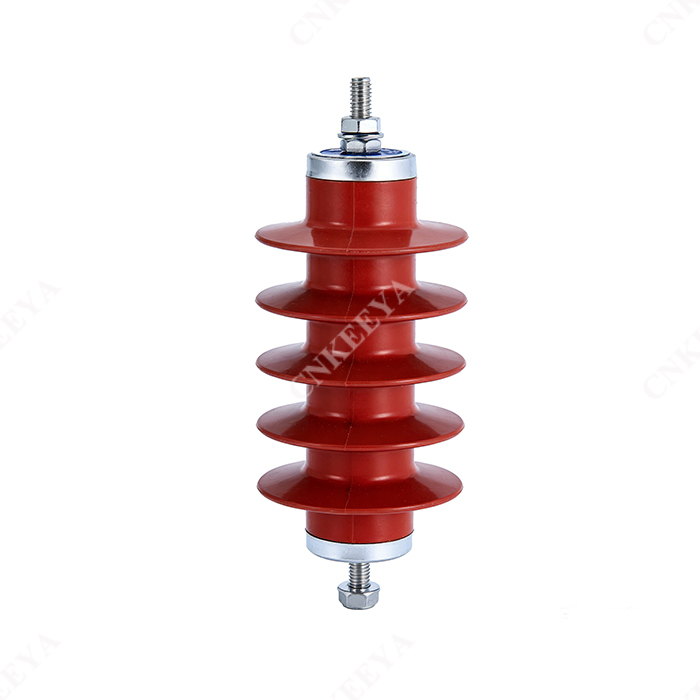
One reason procurement teams struggle with Electrical Insulator selection is that the component looks deceptively simple. On paper, it may seem like a basic insulating part with a drawing number, a voltage class, and a material type. In practice, it sits at the intersection of electrical stress, mechanical load, temperature variation, pollution level, humidity, and installation accuracy.
The most common customer pain points usually sound like this:
- The installed product does not match the actual operating environment.
- The dimensions fit the drawing but not the real assembly conditions.
- The surface performance degrades too quickly in dusty or humid areas.
- There is not enough technical guidance before order confirmation.
- The project team discovers quality differences only after installation begins.
These are not minor inconveniences. They can delay commissioning, increase labor costs, and create downstream reliability problems. A buyer who only compares unit price is often not comparing the real total cost at all.
Why Performance Matters More Than Price Alone
Price matters. Human civilization remains emotionally dependent on budgets, spreadsheets, and avoidable procurement panic. But for an Electrical Insulator, low upfront cost means very little if the part cannot hold up under real operating conditions.
A strong insulator selection should support four goals at the same time:
- Electrical reliability by maintaining insulation strength and reducing discharge risk
- Mechanical stability by withstanding installation loads and long-term service stress
- Environmental resistance by performing well in humidity, contamination, and temperature changes
- Lifecycle value by reducing replacement frequency and service interruptions
This is why experienced buyers stop asking only “How much does it cost?” and start asking “What exactly am I paying to avoid?” In many cases, the answer includes unplanned shutdowns, field replacements, insulation failures, and customer complaints after project handover.
| Buyer Concern | What It Really Affects | Why It Matters |
|---|---|---|
| Material quality | Dielectric strength, aging resistance, structural consistency | Weak or unstable material can reduce service life and increase failure risk |
| Dimensional accuracy | Fit, installation speed, assembly compatibility | Poor fit leads to rework, wasted labor, and delayed delivery |
| Surface condition | Tracking resistance and contamination behavior | Important in humid, dusty, or polluted environments |
| Mechanical strength | Load-bearing and operational safety | Critical for parts used in high-stress distribution equipment |
| Supplier support | Technical confirmation and risk prevention | Good support reduces ordering mistakes before production starts |
Which Factors Should Buyers Compare Before Ordering
A more confident procurement process starts with clearer comparison standards. When evaluating an Electrical Insulator, buyers should go beyond product naming and compare details that influence field performance.
- Application type: Is it for switchgear, wall bushing use, contact box integration, or another distribution scenario?
- Voltage and insulation requirement: Does the selected product match the required insulation level under real service conditions?
- Material system: Is the material appropriate for the thermal, electrical, and environmental demands of the project?
- Mechanical requirement: Will the insulator face vibration, assembly pressure, or repeated switching conditions?
- Environmental exposure: Will it operate in coastal, humid, dusty, or high-temperature surroundings?
- Customization need: Does the project require non-standard dimensions, mounting patterns, or specific structural modifications?
- Batch consistency: Can the supplier maintain quality across repeated orders?
This is where buyers benefit from working with a manufacturer that understands application context, not just catalog language. A product that looks acceptable in a listing may still be wrong for the actual cabinet, accessory, or installation environment.
What Mistakes Usually Lead to Early Failure
Most insulator problems do not begin with dramatic equipment accidents. They begin with ordinary procurement shortcuts. Here are some of the most common mistakes:
-
Choosing by appearance instead of data
Two products may look nearly identical while performing very differently in service. -
Ignoring the installation environment
Indoor dry use and polluted humid use are not the same thing, and the part should not be treated as if they are. -
Assuming all dimensions are interchangeable
Small dimensional deviations can become expensive problems during assembly. -
Skipping supplier communication
If the supplier never asks about operating conditions, that is not efficiency. That is a warning sign in a nicer outfit. -
Buying for price pressure only
This often transfers cost from procurement to maintenance, which is a very human way of pretending a problem disappeared.
A dependable Electrical Insulator is not just a part that passes initial inspection. It is a part that remains stable over time, under stress, with fewer surprises after installation.
How Should You Judge a Reliable Supplier
If you want fewer purchasing mistakes, judge the supplier by more than price sheets and quick promises. A reliable supplier should help you reduce uncertainty before the order becomes expensive to change.
Here is a practical checklist:
- Can they explain which Electrical Insulator type fits your application and why?
- Can they discuss material options in plain, useful language rather than vague selling phrases?
- Can they support custom dimensions or project-specific requirements when needed?
- Do they pay attention to voltage class, creepage concerns, assembly conditions, and operating environment?
- Can they communicate clearly about lead time, production consistency, and order details?
- Do they help prevent selection errors before shipping rather than arguing after delivery?
This is one reason buyers often prefer manufacturers with a broader electrical equipment background. When a company works across related distribution products, it is more likely to understand how one insulating component interacts with the full system. That broader perspective can make project communication much smoother.
In the case of Zhejiang Hanya Electric Appliance Co., Ltd., the broader product context around power distribution equipment helps frame the insulator conversation in a more practical way. Instead of treating the product as an isolated catalog item, it becomes part of a complete reliability discussion.
Where the Right Electrical Insulator Creates the Most Value
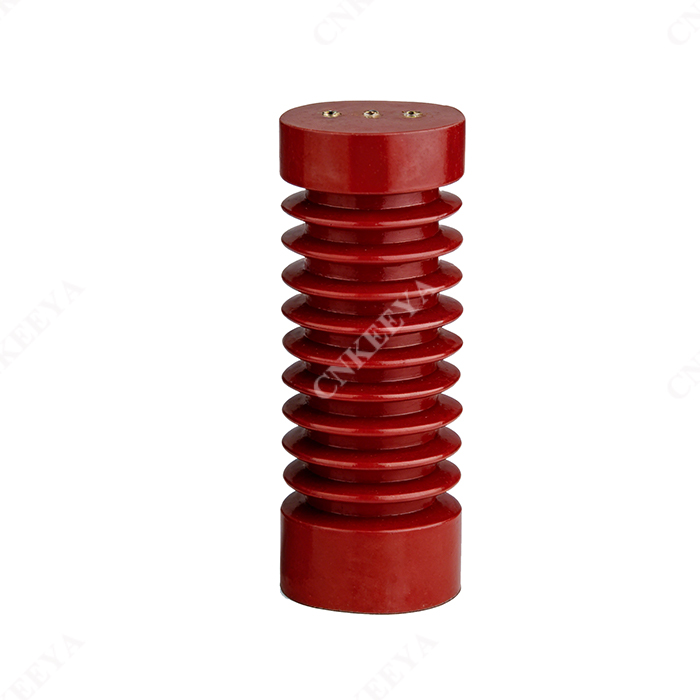
The value of a well-chosen Electrical Insulator becomes especially clear in applications where reliability, safety, and equipment life all matter at once.
- Switchgear systems that require stable insulation performance and dependable assembly
- Wall bushing and pass-through structures where insulation and structural accuracy must work together
- Distribution equipment accessories where dimensional consistency speeds up installation
- Projects in demanding environments that need stronger resistance to moisture, dust, or temperature shifts
- Customized power equipment orders where standard parts may not fully match the project design
When buyers choose correctly, they usually notice three outcomes: smoother installation, fewer service concerns, and better long-term value. That is the quiet advantage of doing the technical homework before placing the order instead of after the project becomes inconvenient.
FAQ
What does an Electrical Insulator actually do in a power system?
It separates conductive parts, helps prevent unwanted current flow, and supports safe operation under electrical and mechanical stress. In many systems, it also contributes to structural positioning and installation stability.
Why do some insulators fail earlier than expected?
Early failure often comes from poor material selection, unsuitable environmental matching, inaccurate dimensions, contamination exposure, or a mismatch between the product and the actual operating conditions.
Which buyer mistake is the most expensive?
Treating all insulators as interchangeable is usually the most expensive mistake. A part may look similar to another one and still perform differently enough to create installation trouble or long-term reliability issues.
Is customization important when buying an Electrical Insulator?
Yes, especially when the equipment design, mounting structure, or environmental requirement differs from standard conditions. Customization can reduce fitting problems and improve project compatibility.
How can I reduce risk before placing an order?
Share your application details clearly, confirm dimensions and usage conditions, ask about material suitability, and work with a supplier that is willing to discuss technical matching instead of only sending a quotation.
What Should You Do Next If You Are Comparing Electrical Insulator Options
If you are sourcing an Electrical Insulator for switchgear, distribution equipment, or a customized electrical project, do not wait until installation to discover what should have been discussed during procurement. A stronger buying decision starts with clear technical communication, proper product matching, and a supplier that understands real operating demands. If you want to reduce uncertainty, avoid costly rework, and choose with more confidence, contact us and talk with the team at Zhejiang Hanya Electric Appliance Co., Ltd. about the insulator solution that fits your project.