
When a project needs safe, compact, and efficient power distribution, the challenge is rarely just about buying equipment. Buyers usually have to balance space limits, installation speed, maintenance access, weather protection, safety expectations, and long-term operating stability all at once. That is why many developers, contractors, plant managers, and utility decision-makers look closely at the box type substation. In this article, I will explain what makes this solution practical, where it solves real customer pain points, how to evaluate it wisely, and why Zhejiang Hanya Electric Appliance Co., Ltd. is a name worth noticing when businesses want a more streamlined power distribution approach.
Abstract
This article explores how a box type substation helps solve common electrical distribution problems in industrial, commercial, infrastructure, and renewable energy projects. It covers the main structure, practical advantages, buyer concerns, selection factors, installation issues, maintenance expectations, and common mistakes to avoid. It also includes an outline, a linked table of contents, comparison tables, checklists, and FAQs to help readers make more confident decisions.
Contents
- Outline
- What Is a Box Type Substation?
- What Problems Does It Solve for Buyers?
- Why Do So Many Projects Prefer It?
- Which Is Better Than a Traditional Site-Built Setup?
- How Should You Choose the Right Model?
- What Mistakes Should You Avoid?
- How Easy Is Maintenance in Daily Use?
- Why Consider Zhejiang Hanya Electric Appliance Co., Ltd.?
- FAQ
- Conclusion
Outline
- Definition and core structure of a box type substation
- Major pain points faced by project buyers
- Key operating and installation advantages
- Comparison with conventional distribution arrangements
- Selection guidance for different project conditions
- Typical purchasing mistakes and how to prevent them
- Maintenance, safety, and service-life considerations
- Brand and supplier evaluation
- Frequently asked questions
What Is a Box Type Substation?
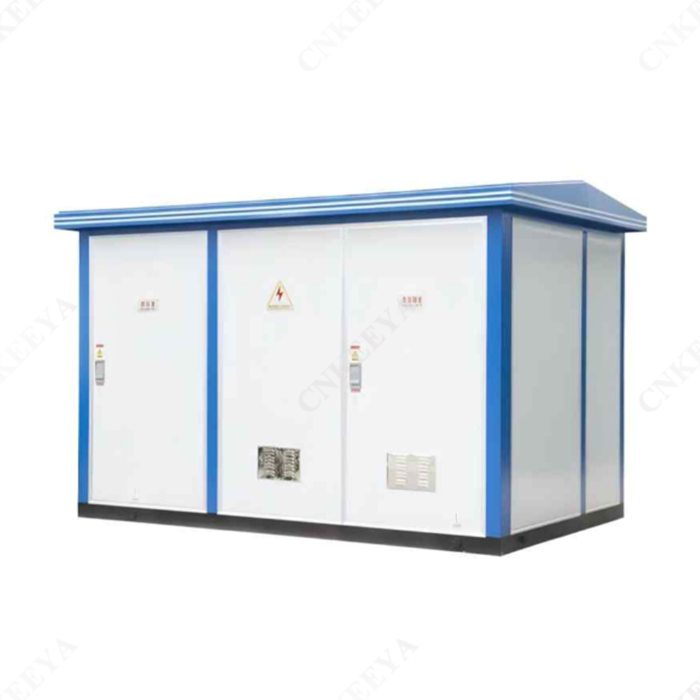
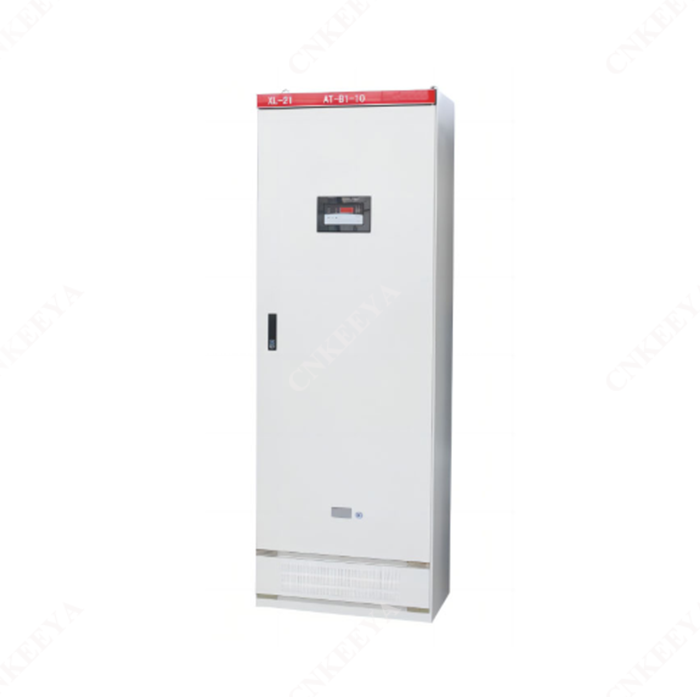
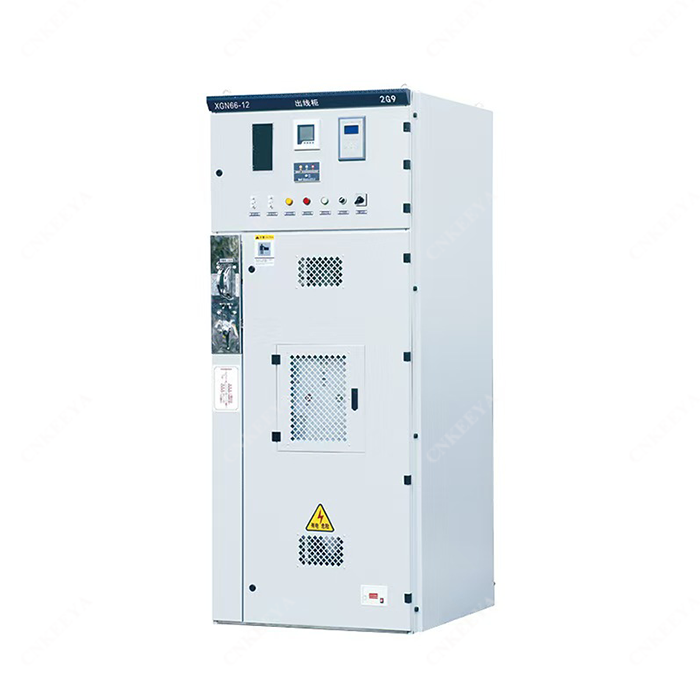
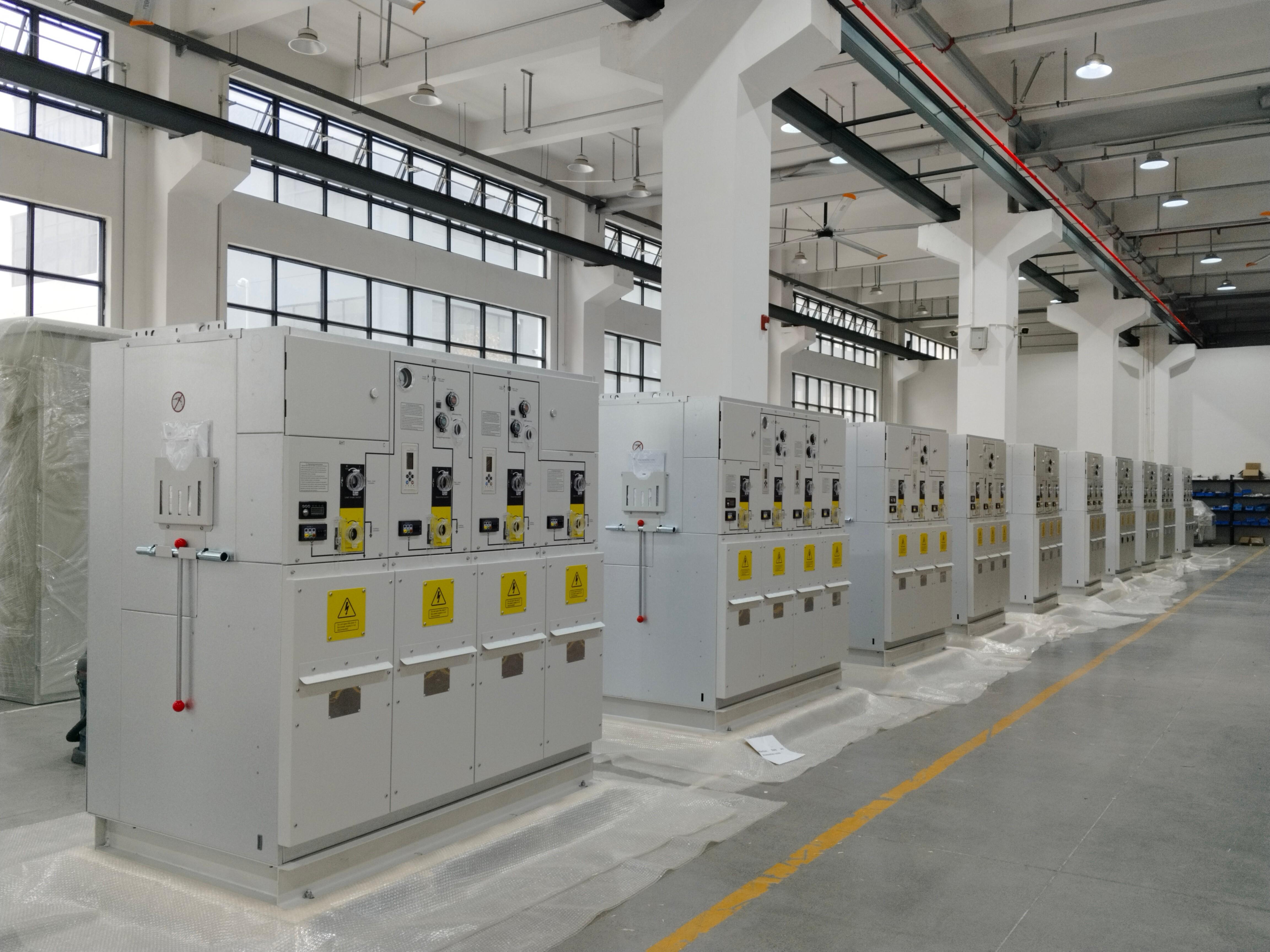
A box type substation is a compact, prefabricated power distribution unit that combines key electrical components into one enclosed structure. Instead of building separate sections on site from the ground up, the buyer receives an integrated system that is designed to handle incoming power, voltage transformation, protection, control, and outgoing distribution in a more organized format.
In practical terms, this matters because project teams are often under pressure. A factory expansion may need power before production starts. A real estate project may be racing to meet handover deadlines. A renewable energy installation may need dependable power support in an exposed outdoor setting. In all of these cases, a box type substation offers a more direct path from purchase to deployment.
Although configurations vary, most units are designed around several essential elements: high-voltage switching, a transformer section, low-voltage distribution, internal protection measures, cable connections, structural enclosure, and ventilation or heat management design. Because these parts are integrated into one coordinated system, the overall installation process tends to be more predictable and easier to manage.
| Component | Main Function | Why Buyers Care |
|---|---|---|
| High-voltage section | Receives and controls incoming power | Supports protection and system stability |
| Transformer section | Changes voltage to the required level | Matches site load and operating demand |
| Low-voltage section | Distributes power to end-use equipment | Affects reliability and downstream safety |
| Enclosure | Provides structural and environmental protection | Important for outdoor durability and safety |
What Problems Does It Solve for Buyers?
Most buyers are not just looking for equipment. They are trying to reduce project friction. That is exactly where a box type substation becomes attractive. It addresses several recurring pain points that show up in real purchasing decisions.
- Limited installation space: Urban, industrial, and roadside projects often have no room for a sprawling electrical arrangement.
- Time pressure: Traditional on-site assembly can stretch schedules and create coordination problems between multiple teams.
- Weather exposure: Outdoor projects need equipment that can handle dust, rain, heat, and other environmental stress.
- Complex procurement: Buyers prefer fewer suppliers, fewer compatibility questions, and fewer installation surprises.
- Safety concerns: An enclosed and organized design helps reduce accidental access and operational risk.
- Maintenance anxiety: Users want a layout that technicians can inspect and service without wasting time.
In many projects, the real cost does not come from the product alone. It comes from delay, rework, poor system matching, site constraints, and future maintenance difficulty. That is why a more integrated power distribution solution often becomes the smarter choice.
Why Do So Many Projects Prefer It?
The value of a box type substation becomes obvious when you look at how project teams actually work. They need speed, coordination, and reliable performance without unnecessary site complications. A well-designed system can support all three.
One major advantage is prefabrication. Because the equipment is prepared as an integrated unit, the buyer reduces the amount of on-site assembly and the risk that separate electrical elements will not align properly. This can save time during installation and reduce arguments between procurement, engineering, and construction teams.
Another advantage is structural compactness. In many facilities, every square meter matters. A box type substation supports a more concentrated layout while still giving access to the core electrical functions needed for distribution and protection.
Safety and appearance also matter more than some buyers first expect. In commercial developments, public infrastructure projects, and organized industrial parks, a cleaner enclosed solution is often easier to approve and easier to place than an exposed arrangement that looks temporary or difficult to manage.
- Faster deployment for time-sensitive projects
- Better use of limited site space
- More organized system integration
- Improved environmental protection for internal components
- Reduced site assembly complexity
- Cleaner layout for commercial or public-facing locations
Which Is Better Than a Traditional Site-Built Setup?
The answer depends on the project, but for many buyers, a box type substation offers a more practical route. Traditional site-built arrangements can still work well in large custom installations, yet they often demand more coordination, more civil preparation, and more time on location.
| Factor | Box Type Substation | Traditional Site-Built Setup |
|---|---|---|
| Installation speed | Usually faster | Often slower |
| Space efficiency | Strong | Depends on layout |
| On-site complexity | Lower | Higher |
| Customization depth | Good, within structured design limits | Very high |
| Appearance and containment | More compact and enclosed | Can be more open and scattered |
If a buyer needs a highly unusual electrical layout or a very large custom-built station, a traditional approach may still be suitable. But if the priority is speed, practicality, controlled assembly, and easier deployment, the box type substation often makes more sense.
How Should You Choose the Right Model?
Buyers sometimes focus too much on price and not enough on fit. A box type substation should be selected according to actual operating conditions, not just catalog appeal. Asking the right questions early will prevent expensive mismatches later.
- What is the required voltage level? The system must match incoming and outgoing distribution needs.
- What is the expected load? Underestimating load can create overheating, trips, and upgrade costs later.
- Is the environment harsh? Coastal areas, dusty worksites, and high-temperature regions may require extra protection.
- How much maintenance access is needed? A neat internal arrangement matters when technicians need to inspect components quickly.
- Is the project temporary, expandable, or permanent? Future flexibility may affect enclosure design and cable planning.
- Are there appearance or noise concerns? Commercial or residential-adjacent projects often have stricter expectations.
I would also recommend that buyers ask suppliers for clear technical communication instead of vague claims. The best supplier is not simply the one that says yes to everything. It is the one that asks sensible project questions and helps you avoid buying the wrong configuration.
What Mistakes Should You Avoid?
Several avoidable mistakes appear again and again in electrical equipment purchasing. These mistakes can turn a reasonable purchase into a costly headache.
-
Choosing by price alone
Low price means little if the unit does not match the project load, environment, or operating requirements. -
Ignoring future expansion
A project that looks small today may grow quickly. Buyers should think beyond the first installation phase. -
Overlooking enclosure quality
The outer structure is not just cosmetic. It affects protection, durability, and service life. -
Providing incomplete project data
If the supplier receives vague information, the final recommendation may be incomplete or inefficient. -
Forgetting maintenance realities
A unit that looks good on paper may still be frustrating to inspect or service if access is poorly considered.
Good buyers are not those who ask the fewest questions. They are the ones who ask the most relevant questions before the order is placed.
How Easy Is Maintenance in Daily Use?
Maintenance is one of the hidden decision points in power distribution equipment. A box type substation can reduce daily operating stress when the design is well planned. Enclosed construction helps protect internal sections from environmental interference, while an organized internal arrangement can make inspection routines more efficient.
That said, “easy maintenance” should never be assumed automatically. Buyers should still confirm inspection access, cable layout logic, ventilation planning, door arrangement, internal partitioning, and safety isolation measures. A practical design supports technicians; a careless one slows them down.
| Maintenance Concern | What to Check Before Purchase |
|---|---|
| Routine inspection | Door access, internal layout, visibility of key sections |
| Heat management | Ventilation path, temperature control strategy, environment suitability |
| Repair efficiency | Component accessibility and internal working space |
| Long-term durability | Material quality, enclosure finish, sealing reliability |
Why Consider Zhejiang Hanya Electric Appliance Co., Ltd.?
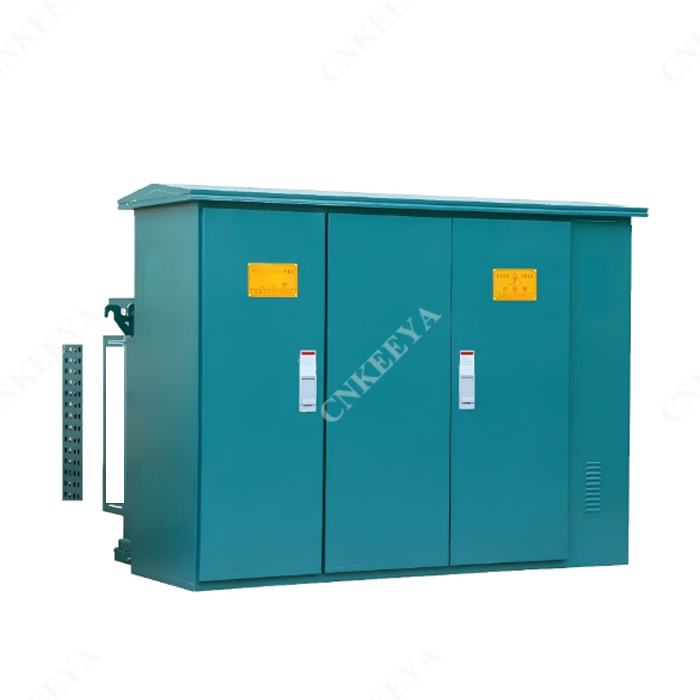
When buyers compare suppliers, they usually want more than a product photo and a short specification line. They want confidence that the supplier understands electrical infrastructure needs and can communicate clearly during the selection process. Zhejiang Hanya Electric Appliance Co., Ltd. stands out in this conversation because the company presents box type substation solutions as part of a broader power equipment offering, which is often reassuring for buyers who need supplier familiarity with integrated distribution systems.
For many project teams, the best supplier is one that can speak the language of practical implementation: load matching, enclosure suitability, site conditions, installation coordination, and long-term use. That matters just as much as the product itself. A strong box type substation partner should help customers move from uncertainty to clarity, especially when the application environment is complex.
The right purchase decision often comes down to whether the supplier helps reduce uncertainty. If a manufacturer can support that process with clear communication, structured product options, and attention to real project conditions, the buyer is already in a better position.
FAQ
What is the main benefit of a box type substation?
Its biggest benefit is integration. It combines important distribution functions into one compact structure, which can reduce installation complexity and help projects move faster.
Is a box type substation suitable for outdoor use?
Yes, many are intended for outdoor applications, but the actual suitability depends on enclosure quality, environmental conditions, and project-specific requirements.
Do all projects need the same configuration?
No. Voltage level, load demand, environmental conditions, installation space, and maintenance expectations all influence the best configuration.
Is the cheapest option the best one?
Usually not. A lower upfront price can become expensive if the unit is poorly matched to the project or creates future maintenance and performance problems.
What should I send a supplier before asking for a quotation?
It helps to provide voltage information, load requirements, project location, environmental conditions, installation limitations, and any preferences related to enclosure design or future expansion.
Conclusion
A box type substation is not popular simply because it looks compact. It is valued because it answers real project needs: quicker deployment, better space use, more organized integration, safer enclosure-based design, and a smoother path from procurement to operation. For buyers dealing with deadlines, site restrictions, and long-term performance concerns, that combination can make a meaningful difference.
If you are evaluating a power distribution solution and want something more practical, more manageable, and more aligned with modern project demands, a carefully selected box type substation deserves serious attention. If you would like tailored guidance for your application, product selection support, or a detailed quotation from Zhejiang Hanya Electric Appliance Co., Ltd., please contact us and start the conversation with your project requirements today.